Botched Ultherapy Fix in Korea
Botched Ultherapy Fix in Korea: How to Correct Over-Tightening, Fat Loss, and Facial Sagging
Ultherapy is widely known as a non-surgical lifting treatment that uses focused ultrasound to stimulate collagen. However, when energy levels are too high, applied incorrectly, or repeated too frequently, some patients experience unexpected side effects rather than rejuvenation.
In Korea, corrective treatments for botched Ultherapy results are commonly sought by both locals and international patients—thanks to advanced skin regeneration techniques and combination therapy approaches.
Below is a complete, clinic-neutral guide to understanding what went wrong, why it happens, and how Ultherapy complications are fixed in Korea.
What Does “Botched Ultherapy” Usually Mean?
A botched or unsatisfactory Ultherapy result does not mean permanent damage in most cases. It usually refers to one or more of the following:
- Hollowed cheeks or temples
- Sunken under-eye appearance
- Premature facial sagging
- Tight but aged or “drawn” look
- Facial asymmetry
- Loss of natural volume rather than lifting
These outcomes are often linked to fat atrophy, not skin damage.
Why Ultherapy Goes Wrong
Common causes include:
- Excessive ultrasound energy
- Incorrect depth targeting
- Treating areas with naturally thin fat pads
- Repeating Ultherapy too frequently
- Using Ultherapy on faces that needed volume, not tightening
Ultherapy is not suitable for every face type, especially already-slim or volume-deficient faces.
Can Botched Ultherapy Be Fixed?
Yes—most cases can be improved or reversed.
Korea is known for corrective, skin-focused solutions rather than aggressive re-treatments.
Most Common Ultherapy Fix Treatments in Korea
1. Volume Restoration (Fat Loss Correction)
Used when Ultherapy caused facial hollowing.
- Collagen-stimulating injectables
- Skin booster programs
- Gradual volume regeneration (not overfilling)
Purpose: restore softness and facial balance.
2. Skin Regeneration & Repair
For thinning, crepey, or over-tightened skin.
- PN / PDRN-based rejuvenation treatments
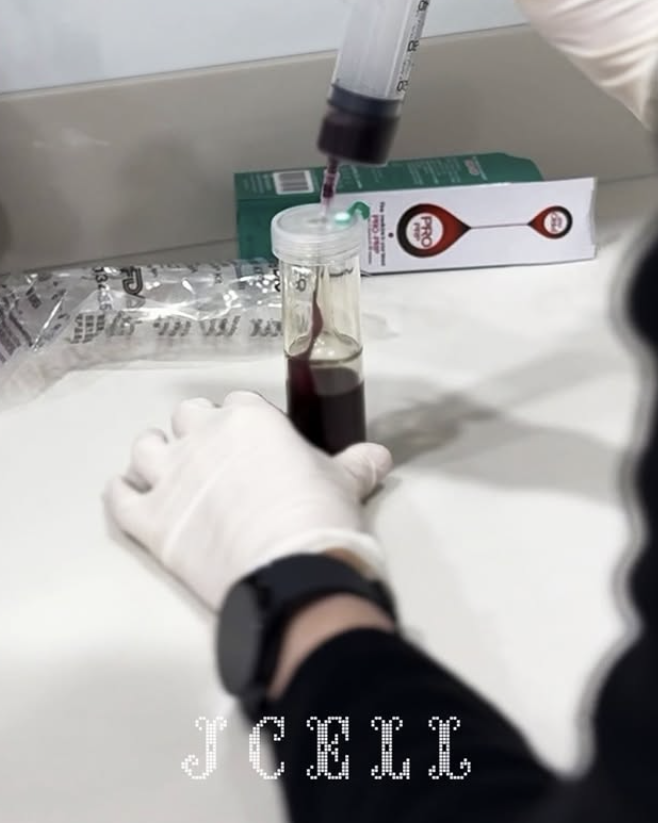
- Stem-cell-inspired regeneration programs
- Multi-layer collagen repair protocols
Purpose: rebuild dermal strength and elasticity.
3. RF (Radiofrequency) Rebalancing
For uneven tightening or stiffness.
- Low-energy RF tightening
- Layer-specific collagen stimulation
Purpose: smooth texture and improve elasticity without further fat loss.
4. Hybrid Correction Programs
Most Korean clinics prefer combination therapy, such as:
- Regeneration + RF
- Volume restoration + skin boosters
- Staged recovery plans over 2–4 months
Purpose: natural recovery rather than instant correction.
How Long Does Recovery Take?
- Initial improvement: 2–4 weeks
- Visible correction: 1–3 months
- Full collagen recovery: up to 6 months
Corrective treatments are usually progressive, not one-time fixes.
Should Ultherapy Be Re-Done to Fix the Problem?
In most cases, no.
Repeating Ultherapy after a bad outcome can worsen fat loss. Korean practitioners usually pause ultrasound treatments entirely and focus on regeneration first.
Who Is Most at Risk of Botched Ultherapy?
- Very slim faces
- Naturally hollow cheeks or temples
- Older patients with reduced fat pads
- Patients who previously had aggressive HIFU or RF treatments
This is why Korea places strong emphasis on face-type analysis before lifting treatments.
Why Korea Is Popular for Ultherapy Correction
- Advanced collagen-repair protocols
- Conservative, staged treatment philosophy
- High experience with HIFU side-effect management
- Emphasis on natural facial balance, not over-tightening
Many international patients come to Korea specifically for Ultherapy repair, not initial treatment.
Key Takeaway
A botched Ultherapy result is usually correctable when approached properly.
The goal is not more tightening, but restoring volume, elasticity, and skin health—which is exactly where Korean corrective dermatology excels.
If Ultherapy caused hollowing, sagging, or unnatural tightness, the solution lies in repair, regeneration, and balance, not stronger energy.